Human-Data Interaction Lab
Visualization · Trustworthy AI · Intelligent Transportation Systems
HDI Lab은 광운대학교 컴퓨터정보공학부 소속 연구실로, 복잡한 데이터의 시각적 이해(Visual Analytics), 신뢰할 수 있는 AI(Trustworthy AI), 지능형 교통체계(Intelligent Transportation Systems, ITS) 최적화를 연구합니다. 다양한 도메인에서 생성되는 복잡한 데이터를 분석하여, 실제 문제 해결에 적용할 수 있는 인터랙티브 시스템과 지능형 프레임워크를 개발하는 것이 연구의 중심입니다.
우리는 이론적인 데이터 분석과 실제 응용 사이의 간극을 잇는 것을 목표로 합니다. 연구를 논문에서 그치지 않고 실제로 동작하는 시스템으로 구현하는 것을 중시하며, 이를 통해 인간-데이터 상호작용(Human-Data Interaction)을 향상시키고 현대 인프라가 직면한 문제에 신뢰할 수 있는 해법을 제공하고자 합니다.
What we do
- 데이터와 모델부터 사용자 인터페이스까지 — 인터랙티브 데이터 시스템을 end-to-end로 설계하고 구축합니다
- 국내외 학술지와 학술대회(SCI/KCI 저널, 학술대회)에 연구 성과를 발표합니다
- 지능형 교통(ITS)부터 신뢰할 수 있는 설명 가능한 AI(XAI)까지, 실제 문제를 다룹니다
- 학계·공공기관·산업체와의 공동연구 및 협력을 환영합니다
Data Analysis & Visualization
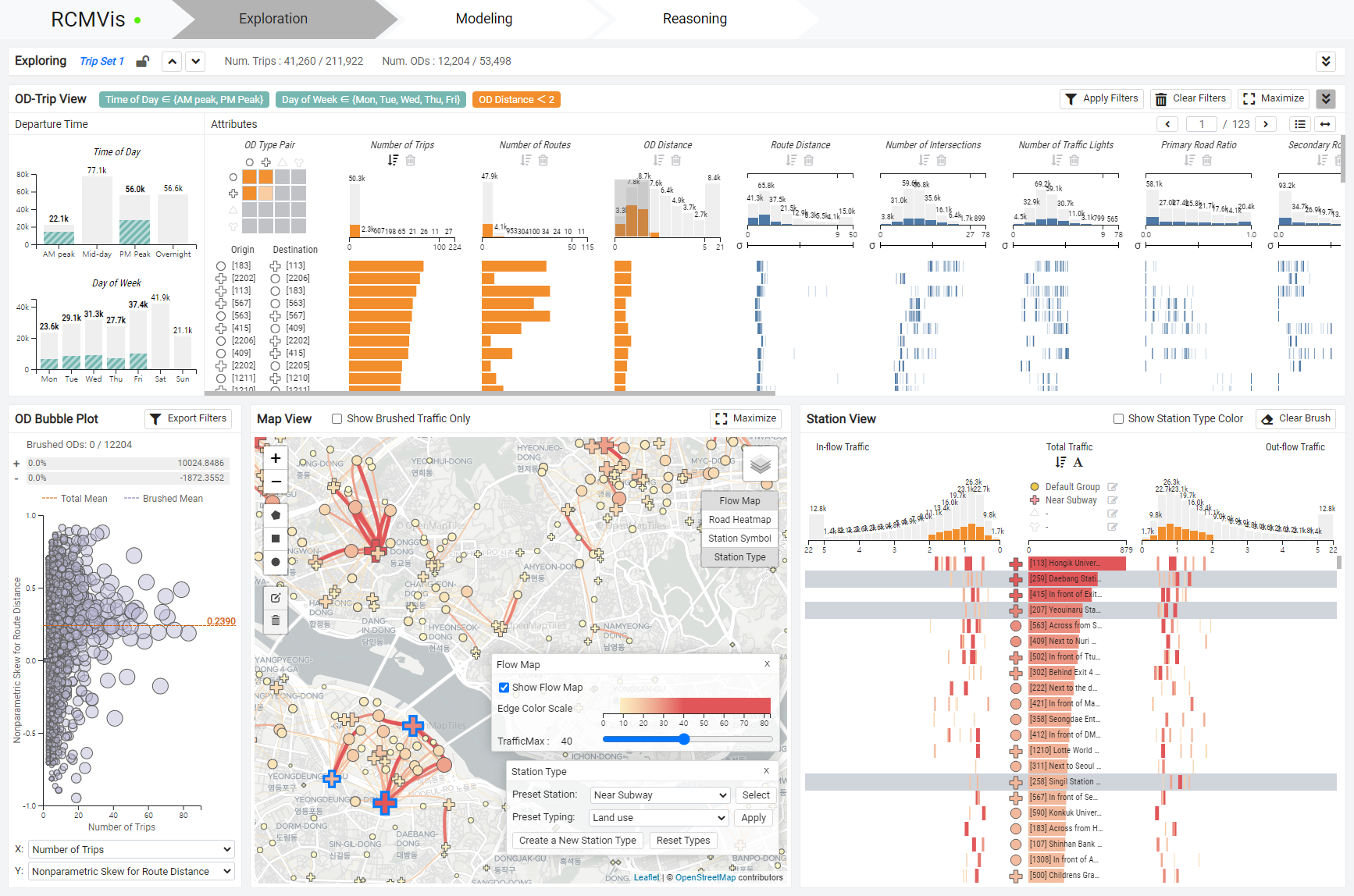
도시·네트워크·모빌리티 도메인의 복잡한 시공간·고차원 데이터를 위한 인터랙티브 시각적 분석(Visual Analytics). 웹 기반 고성능 렌더링 기술을 활용합니다.
AI Reliability & XAI
의료·보안·교통과 같은 고위험(high-stakes) 도메인을 위한 인간 중심 설명 가능한 AI(XAI)와 블랙박스 모델 추론에 대한 인터랙티브 감사(auditing) 연구.
Intelligent Transportation Systems
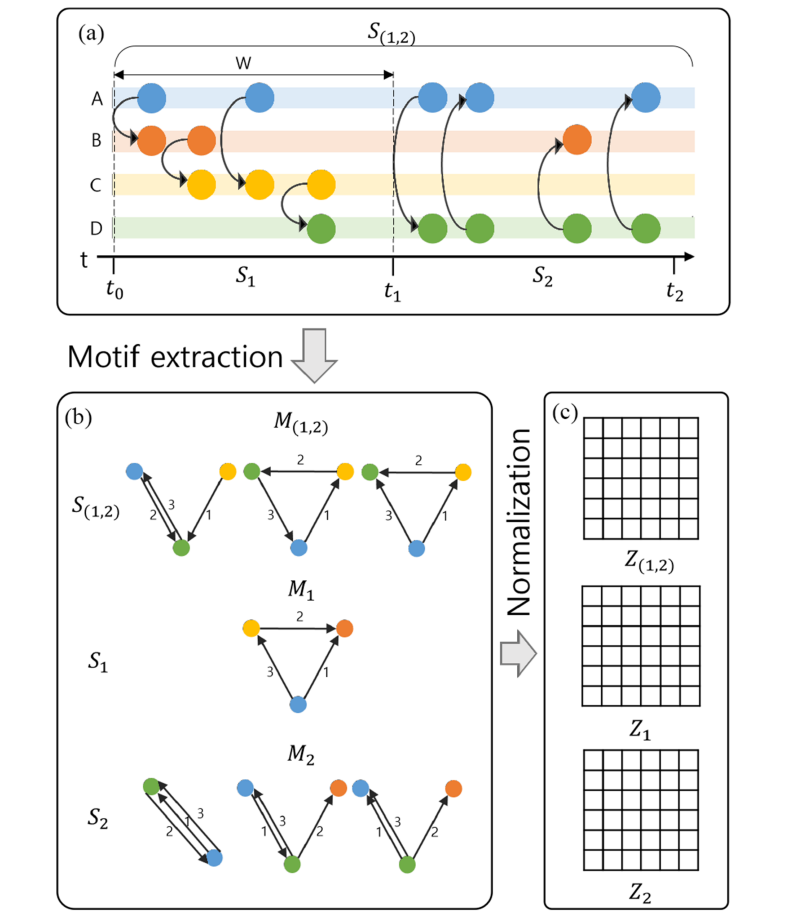
복잡한 현실 제약 조건 아래의 교통·모빌리티 최적화를 위한 강화학습(Reinforcement Learning), 메타휴리스틱, 시뮬레이션 기반 의사결정 지원.
News
연구실 논문 Heuristic Approach for Solving Demand Responsive Transport Scheduling Problems가 SCI(E) 저널 Transportmetrica A: Transport Science에 게재되었습니다.
연구실에서 KCC 2026(한국정보과학회 한국컴퓨터종합학술대회)에 포스터 3편을 발표했습니다. Publications 보기 →
AI기반 다이어리형 배달라이더 사고 기록 및 증빙 정리 시스템: 라이어리 팀(유아름, 김민서)이 2026학년도 1학기 참빛설계학기에서 총장상을 수상했습니다. 🏆
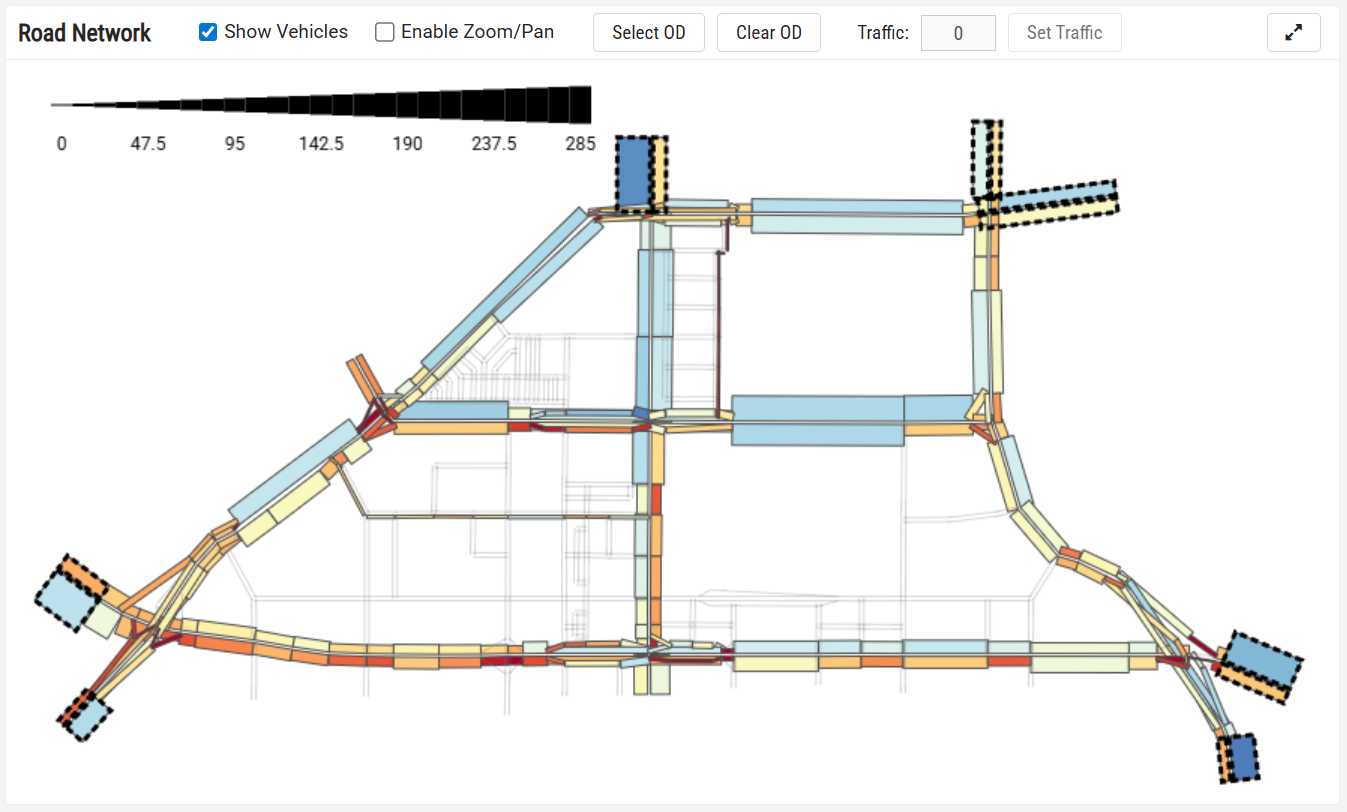
연구실 논문 ODCalibrator: An Interactive Visualization System for OD Traffic Flow Calibration in Microscopic Traffic Simulations가 SCI(E) 저널 Applied Sciences에 게재 승인되었습니다.
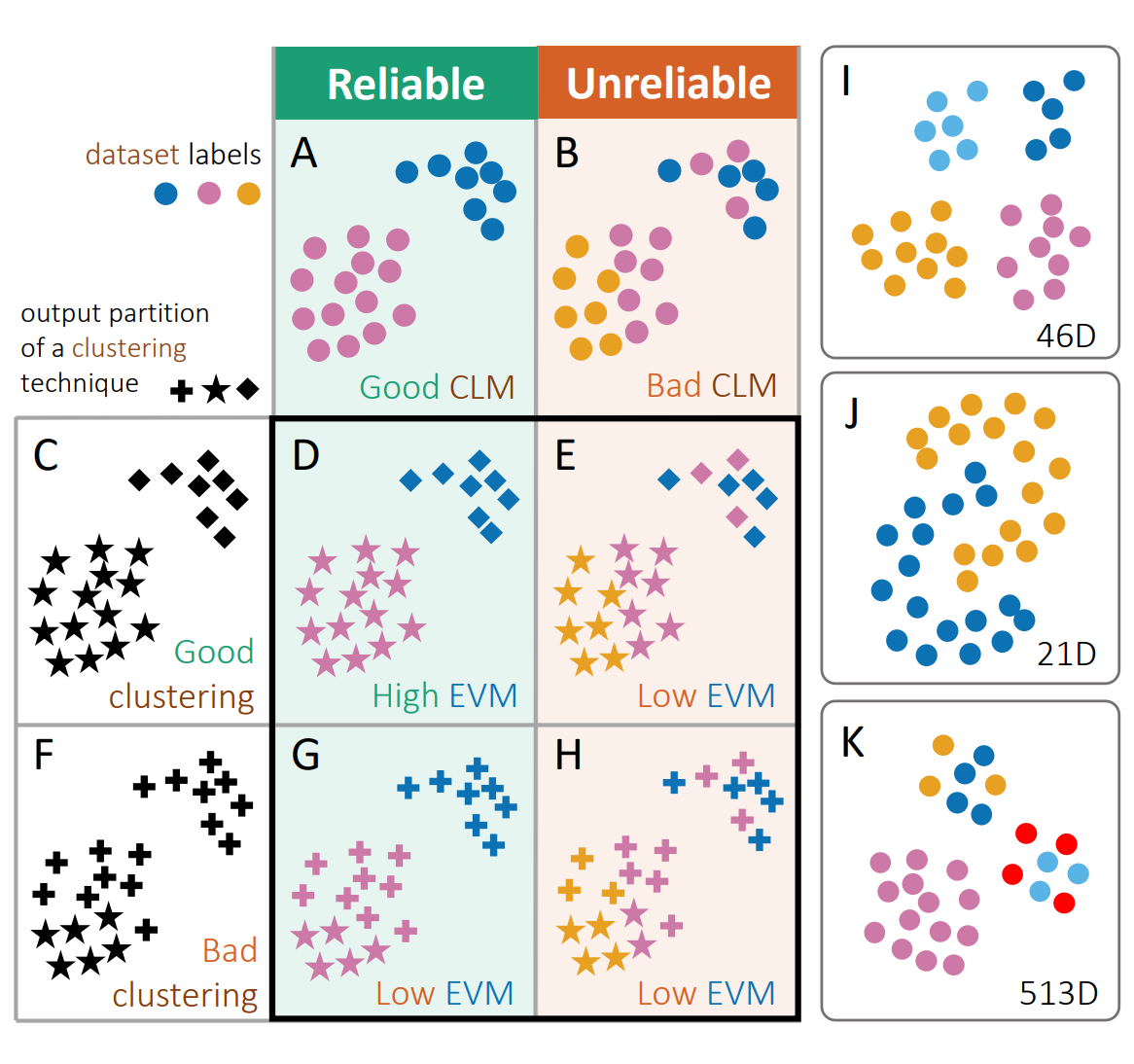
연구실 논문 Measuring the Validity of Clustering Validation Datasets가 SCI 저널 IEEE Transactions on Pattern Analysis and Machine Intelligence (TPAMI)에 게재되었습니다.